Tuesday, August 31, 2010

119 Downtown Tour


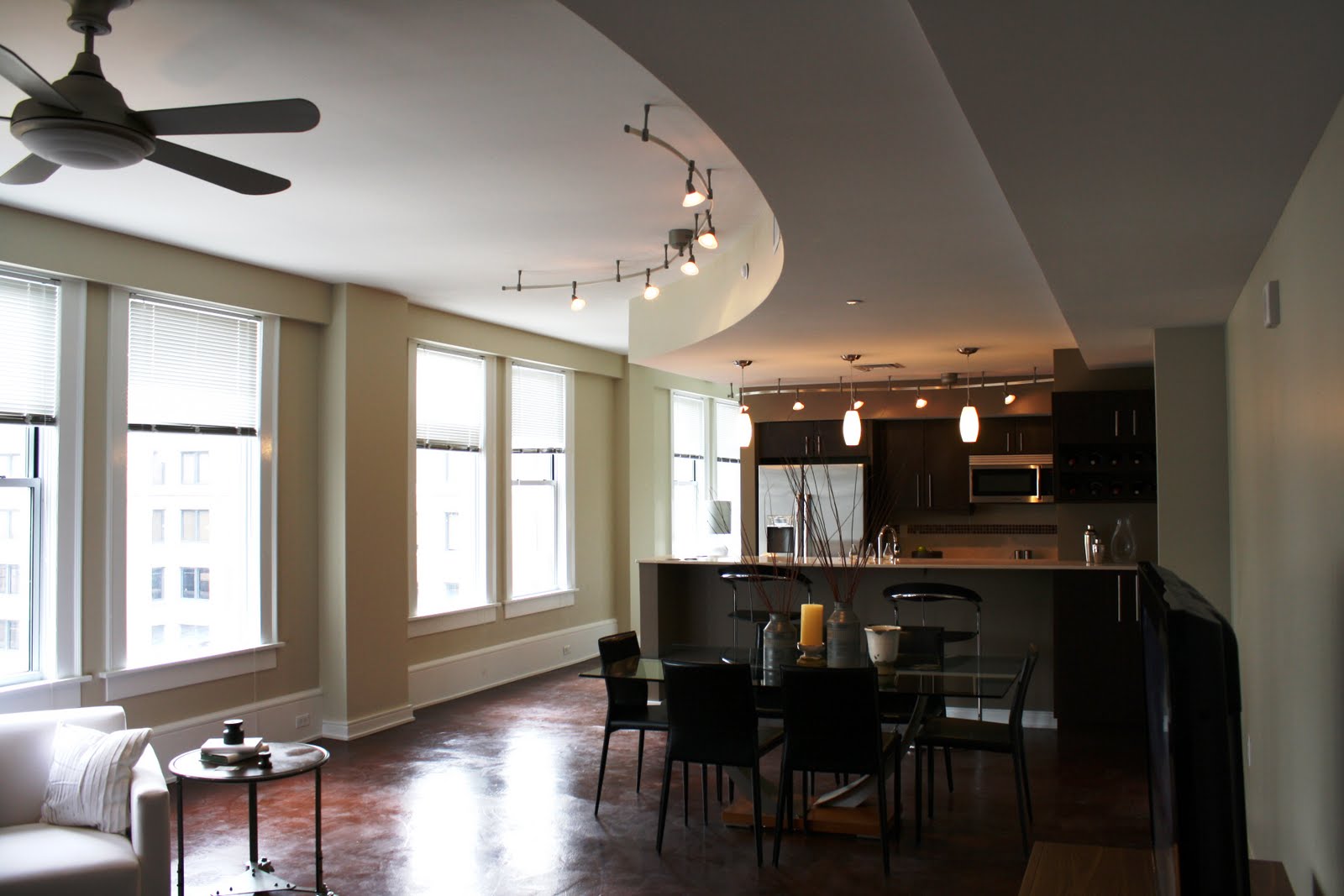
The newest place to live in downtown Tulsa,
119 Downtown, is having an open house and tour of the model apartment unit on Thursday, September 9th from 5-8pm. River City Development is the team behind 119 Downtown; River City Development is also responsible for the conversion of the Philtower to apartments. The McIntosh Group is the architectural firm doing the renovation while Pohlenz Cucine Moderne is designing all the kitchens. One thing that differentiates this project from other recent residential developments downtown is that the 119 units are for sale, not rent. Click here for some great images and renderings of the project.

Located on the northwest corner of 6th and Cincinnati, Leon B. Senter designed the building in 1949. Originally constructed as the Stanolind Building, it has also been referred to as AMOCO East, the 502 Building, the Towercade, and most commonly the Service Pipeline Building. In addition to the 119 Building, Senter also designed many other prominent Tulsa buildings, such as the Fire Alarm Building, the Philcade, the downtown YMCA, and Will Rogers High School. Although not as flamboyantly art deco as some of Senter's early work in Tulsa (like the fire Alarm Building and Philcade), the 119 Building is an excellent example of late deco in Tulsa that also includes many mid-century modern details.

The tour on Thursday, September 9 from 5-8pm is free and open to the public. For more information and to RSVP, call 918.582.0200.
(Please note that this is not a TFA event.)

Tuesday, August 17, 2010

Meet ModernTulsa


Think Art Deco is the only architecture Tulsa has to offer? Think again. Tulsa’s collection of Mid-Century Modern architecture is just as impressive as the classic buildings from the Roaring Twenties. So often, post war modernism is easily misunderstood and dismissed as “too new” to be considered historic, when in fact most mid-century buildings are nearing the standard 50-year-old mark, if they haven’t already.

You’ll have an opportunity to view images and architectural drawings of some of Tulsa’s best modern architecture on Thursday, August 26 from 5:30pm-8:30pm. Modern Tulsa, an organization of the Tulsa Foundation for Architecture, will host Meet ModernTulsa at the TFA archives in the Kennedy Building, 321 S. Boston. On display will be architectural drawings, renderings, photographs, and architectural periodicals celebrating Tulsa’s mid-century architecture. The evening will also serve as an opportunity to get to know the people behind Modern Tulsa working to preserve Tulsa’s recent past. Meet and mingle with others interested in Tulsa’s modern architecture, enjoy complimentary hors d’oeuvres and wine, browse the archives, toast the modern gems we’ve lost and celebrate the survivors.

Thursday, July 15, 2010

Downtown Living Celebration 2010


You are not going to want to miss tomorrow's Downtown Living Celebration. We will feature three outstanding sites, each with its own style and spectacular view of downtown Tulsa. The celebration will be a progressive party with wine from Girouard Vines, beer from McNellie's, and hors d'oeuvres from Elote, Ti Amo, Impressions Restaurant, Center 1 Market, and sushi from Yokozua. Tickets are $40 for current TFA members, $50 for not-yet members and may be purchased at Dwelling Spaces, 119 S. Detroit, or by calling TFA at 583.5550. Here are a few pictures I took two weeks ago when we had our walk-through at the Mayo Building. And yes, we will be able to hang out on the roof and enjoy the view!

Thursday, June 24, 2010

The Robert Lawton Jones House


The Oklahoma Interior Design Coalition is holding an open house at one of Tulsa's most famous homes, the Jones House, today from 2 - 7:30pm with a $10 donation at the door. Robert Lawton Jones, who helped found the Tulsa architectural firm of Murray Jones Murray, designed the house as his personal residence in 1959. In addition to the Jones House, Murray Jones Murray designed many of Tulsa's iconic mid-century buildings including the Tulsa International Airport, First Place Tower, Center Plaza Apartments, and the Texaco Office Building.

The house is cited as the first International Style residence built in Oklahoma and includes many hallmarks of modern design. Jones studied under Mies van der Rohe as a graduate student at the Illinois Institute of Technology and later attended the Technical University in Karlsruhe, Germany on a Fullbright Grant after graduate school.

Not only has the house been featured in numerous architectural publications in the U.S. (most notably Arts & Architecture in July 1960) but the house was also featured in a couple European publications as well, Bauen + Wohnen in January 1961 and Schoner Wohnen in September 1963.

Another distinction the Jones House hold is that it was individually listed in the National Register of Historic Places in 2001 when the house was only 42 years old. This is especially significant for a few reasons. First, the house was deemed significant enough to be listed individually and not simply as a contributing structure in a historic district. Secondly, the architect is still living. Thirdly, the house was listed before it was 50 years old, which is generally the accepted age for structures to be considered eligible for listing.

Here are a few pages from the various publications. If you'd like to see some contemporary photos of the house and for more info about the open house, check out the article in today's Tulsa World. Or see it for yourself this evening! The house is located at 1916 E. 47th St.

Wednesday, June 16, 2010

Lee Anne Zeigler to Speak at Tulsa Press Club

The Executive Director of the Tulsa Foundation for Architecture Lee Anne Zeigler will be the guest for the Page One speaker series June 17 at the Tulsa Press Club. She will discuss TFA's efforts to revitalize downtown.

A non-profit organization started in 1995, TFA seeks to bring vibrancy to downtown Tulsa, advocating for future development and encouraging preservation of the built environment.

In TFA's 15 years, downtown has seen dramatic changes, from the BOK Center, to OneOK Field, to the Brady Arts District. Programs and incentives for building owners, such as historic tax credits, low income housing tax credits, fire suppression grants, and the International Existing Building Code have helped make these projects possible.

Zeigler will discuss the pioneers who took advantage of these incentives and the benefits Tulsans experience due to TFA's vision.

Zeigler has a Bachelor of Science degree in Biological Sciences and a Master of Science in Landscape Architecture and Horticulture. Her experience includes landscape and architectural design, urban planning, and providing support to the historic preservation community as a former Mayoral appointee, and as staff to the Tulsa Preservation Commission. In addition, Zeigler has completed extensive training in archival methods and practices administered by the Oklahoma Department of Libraries as part of a grant that qualified the TFA Archives as a "Model Archival Organization," recognized by the National Historic Records Advisory Board. She has also completed all four of the National Trust for Historic Preservation's Preservation Leadership Training programs.

Page One Luncheons are open to the public. Cost is $15 for Press Club members and $20 for non-members. Lunch service starts at 11:15 a.m. and the presentation begins at noon. A question and answer session will follow. RSVP today to mail@tulsapressclub.com.

Tuesday, June 15, 2010

NTHP Launches @home

Last week, the National Trust for Historic Preservation launched @home, an online community for people who love their homes. @home will provide people with an opportunity to share ideas, resources, pictures, home improvement tips, and more with others from across the country. Currently, only four people from the entire state of Oklahoma have joined. So, if you love your home and would like to share its history with like-minded individuals, join @home!

Tuesday, May 25, 2010

Historic Tax Credits in Danger

As you may or may not know, up until now, the State of Oklahoma provides income tax credits for certified rehabilitations on investments in designated historic buildings statewide. This state credit has generated millions of dollars of reinvestment to revitalize vacant and underdeveloped buildings, generating jobs and increased tax revenues. However, the state legislature has recently put a moratorium on this tax credit via SB 1267. If this tax credit is not reinstated, it could have a huge impact on the future development of downtown Tulsa.

The restoration of these historic buildings might not have been possible without the use of historic tax credits:

  • The Mayo Hotel;
  • The Mayo Building;
  • The Philtower Lofts;
  • The Atlas Courtyard by Marriott;
  • The Tribune Lofts; and
  • The Hotel Ambassador.

There are at least seven additional projects currently in the works in downtown Tulsa that may cease to happen due to the suspension of Historic Tax Credits.

I ask that you please either write an original email or simply copy and paste the form letter below and contact Governor Brad Henry. For more information on the impact of historic tax credits, visit Preservation Oklahoma.

The reinstatement of these tax credits is vital to the revitalization of our downtown!


Governor Henry,

I am writing to express my opposition to the recent suspension of the Historic Rehabilitation Tax Credit, via Senate Bill 1267. I feel that a reinstatement of this credit is vital to the preservation and revitalization of not only downtown Tulsa, but to the Tulsa Community as a whole. The incentive to preserve our historic structures is imperative for many reasons. The unique architecture of Tulsa is a testament to our rich and diverse heritage. To see these buildings sitting empty strikes me as both a waste of history and resources. In an environmental context, we need to emphasize the importance of reusing and repurposing our existing resources. To let these buildings decay is a waste of man power, materials, and not to mention, architectural ingenuity and integrity. I can confidently say that a thriving downtown community is important to me. It is not only important to those of us who grew up here and continue to live here now, but also to the intellectual and creative talent from elsewhere that so many local organizations and businesses are striving to attract and retain in the Tulsa community. I urge you to reconsider the suspension of the Oklahoma Historic Rehabilitation Tax Credit.